As interest in plant medicines grows globally, Ayahuasca has emerged as one of the most talked-about and transformative tools for self-discovery. However, because it’s a powerful brew with deep cultural roots and significant physiological effects, it often comes with a long list of questions. Whether you’re curious about its safety or the infamous purge, understanding […]
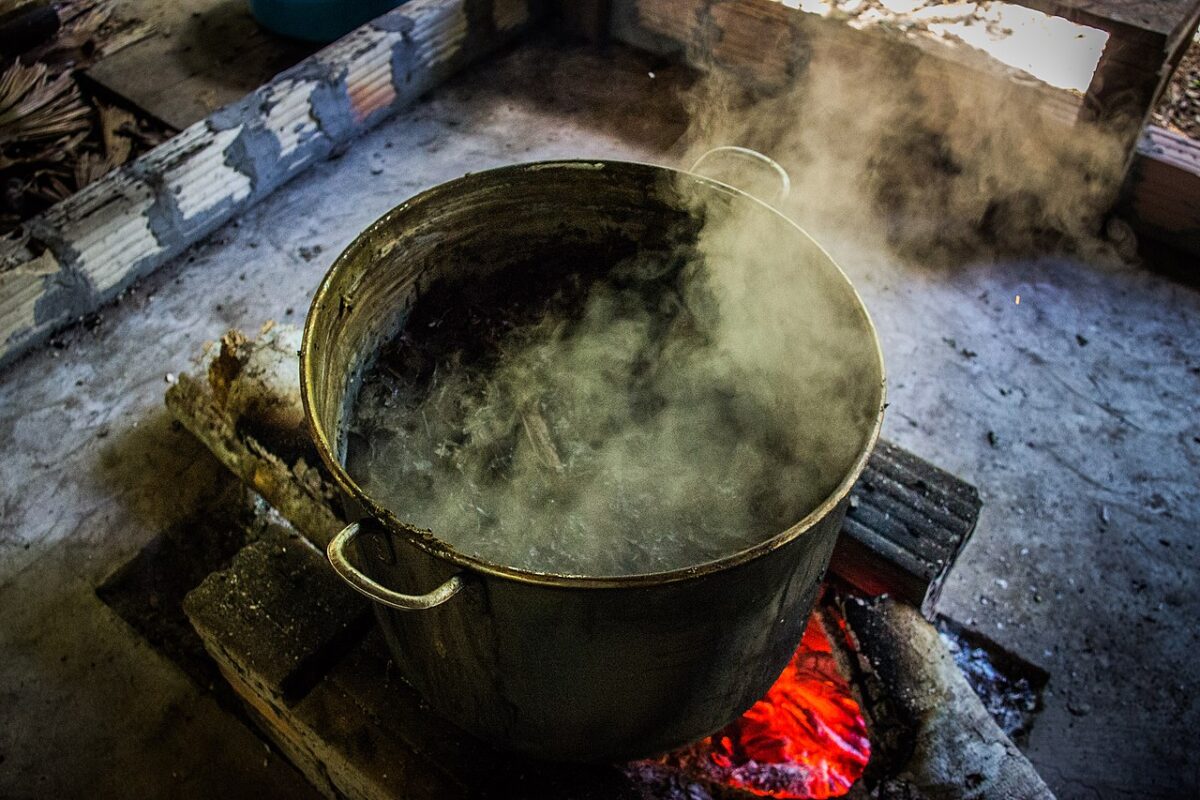
As interest in plant medicines grows globally, Ayahuasca has emerged as one of the most talked-about and transformative tools for self-discovery. However, because it’s a powerful brew with deep cultural roots and significant physiological effects, it often comes with a long list of questions. Whether you’re curious about its safety or the infamous purge, understanding the basics is the first step toward a respectful and informed journey.
In structured settings, specifically those with health screenings and supervision by qualified personnel, ayahuasca doses appear relatively physiologically safe. However, “relatively” is the key word. The experience involves significant psychological distress for some, temporary cardiovascular effects (like increased heart rate), and specific contraindications with certain medications and pre-existing conditions.
For instance, those with bipolar disorder or those taking SSRI antidepressants face severe risks. These risks increase exponentially if the brew is consumed without proper oversight. It’s vital to seek guidance from your healthcare provider if you have any medical concerns or are currently on any prescription medications.
Vomiting, often called “the purge,” is a very common physiological effect. This happens because the beta-carboline compounds in the brew stimulate digestion while simultaneously inducing nausea. In traditional indigenous groups, this isn’t seen as “getting sick” but as a vital detoxifying part of the ritual.
Purging is considered a way to allow for emotional release alongside physical cleansing. While it is certainly unpleasant, it’s rarely dangerous unless you have pre-existing medical conditions that lead to complications. Ceremony leaders are generally well-equipped to handle participants who get sick. You can help manage the intensity by eating light meals and fasting before the ceremony, but the most important thing is to mentally prepare to embrace the journey without resistance. Purging can also manifest as diarrhea, sweating, crying, or shaking.
Because Ayahuasca is a powerful and sacred plant medicine, you must choose your experience with extreme care. Don’t blindly go with the first option you find online. Seek personal recommendations, read detailed reviews, and ensure that the facilitators or shamans prioritize the safety and well-being of their participants. This is a journey that should be approached with deep respect for its cultural and spiritual context.
Indigenous ceremonies are elaborate, structured ritual events. They are led by an experienced shaman who prepares the brew and then guides the group. These ceremonies serve many purposes: holistic healing, initiations, connecting with ancestors, or receiving guidance from “plant teachers.” Traditional elements include the singing of icaros (sacred songs), rattling, percussion, and the blowing of tobacco smoke.
Ayahuasca’s history and use are grounded in the Indigenous cultures of the Amazon basin, where the brew has long been part of ceremonial, healing, and spiritual life across many nations. The name itself comes from Quechua, often translated as “vine of the soul.” Traditional practices such as icaros, dietas, and ceremonial roles are tied to specific lineages and worldviews that include respect for the plant as more than a tool. Acknowledging these origins and the leadership of Indigenous knowledge holders helps situate ayahuasca in its richer cultural and historical context rather than presenting it solely through a Western therapeutic lens.
Preparation involves more than just mental readiness, it involves a strict dieta. To prepare your body, you are often advised to avoid:
The days following a ceremony are for integration, the process of weaving visions and unlocked emotions into your daily life. This takes real work, often involving journaling, creative expression, or group discussions. You may also need to stick to a bland diet for a few days as your digestion settles. True growth comes from the work you do after the visionary experience to actualize the positive changes initiated by the medicine.
If you’re looking for personalized guidance and support before or after a psychedelic experience, the Unlimited Sciences Psychedelic Info Line offers free, 1:1 support for answering questions about psychedelic safety, integration, and emotional processing.
No comment yet.
Join our email list and get immediate access to part one of our psilocybin guide. You’ll also get the latest in how we’re bridging the gap between science and soul: psychedelic research updates, real-world findings, community-driven education, personal stories and expert insights on natural medicine.
Advancing Real-World Psychedelic Research and Science-Backed Education
Unlimited Sciences is provided with a nonprofit status by fiscal sponsorship through Realm of Caring Foundation.
Federal EIN: 46-3371348.
© 2025 Unlimited Sciences. All Rights Reserved.
Designed by Gloss