Inclusive Psychedelic Spaces and Queer Psychedelic Healing Why Some Queer Individuals Hesitate Around Psychedelics Inclusive psychedelic spaces are an important part of creating safe and supportive healing environments. Psychedelics are often described as tools for healing, connection, and self-discovery. For some, especially within LGBTQIA2S+ communities, the idea of entering an altered state can feel anything […]
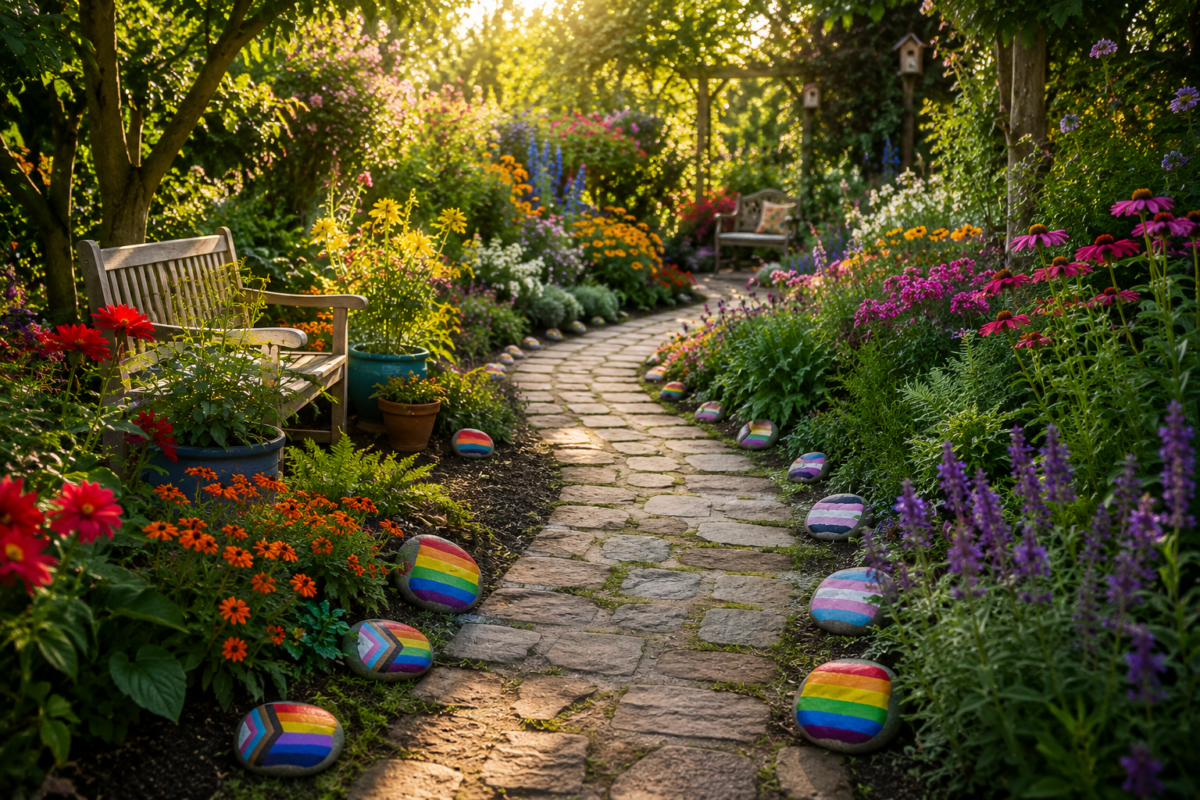
Inclusive psychedelic spaces are an important part of creating safe and supportive healing environments. Psychedelics are often described as tools for healing, connection, and self-discovery. For some, especially within LGBTQIA2S+ communities, the idea of entering an altered state can feel anything but safe.This hesitation is often rooted in lived experience.
A 2024 scoping review found that queer individuals are largely underrepresented in psychedelic research, and that past stigma, lack of intersectional care, and histories of pathologizing queer identity may contribute to why some LGBTQIA2S+ people approach psychedelic healing spaces with caution or distrust.
For people who have had to navigate rejection, discrimination, identity invalidation, or unsafe environments, the idea of becoming emotionally open or losing a sense of control can bring up real and valid concerns. Understanding this hesitation is an important part of creating more inclusive and supportive psychedelic spaces.
Much of the conversation around psychedelics assumes a baseline level of safety. Phrases like “just surrender” or “let go” are common. For someone who has not consistently experienced safety, those suggestions can feel unrealistic or even threatening.
For many queer individuals, safety has not always been guaranteed in:
These experiences can shape how the body responds to vulnerability. A psychedelic experience often increases emotional openness. Without a sense of safety, that openness can feel overwhelming rather than supportive.
Even when someone consciously wants to explore healing, the body may respond differently. The nervous system is shaped by past experiences. For some individuals, past experiences of rejection, invalidation, or harm may shape how the body responds to vulnerability. This can influence a psychedelic experience in real time.
Instead of feeling expansive, someone may feel:
These responses are protective patterns.
Not all healing spaces feel inclusive or informed. Some individuals have had experiences where:
These experiences can create hesitation around entering new healing environments, including psychedelic ones. Trust is not automatic. It is built through consistent, respectful interaction.
Set and setting are often discussed in terms of mindset and physical environment. Cultural safety is not just about “acceptance,” but about:
A space can be physically comfortable and still feel unsafe if these elements are missing. For queer individuals, cultural safety is foundational.
For someone considering psychedelics, especially if there is hesitation, it can help to ask:
These questions are part of preparation and plans for self-advocacy.
There can be pressure in psychedelic communities to move forward, explore, or “do the work.” Choosing not to engage, or choosing to wait, is also a valid and supportive decision. Creating a safe container means healing is not a race. For some people, building safety in everyday life, relationships, and community may be the first and most important step.
Many LGBTQIA2S+ individuals have also described psychedelic experiences as deeply affirming, connective, and healing when approached within supportive and culturally aware environments. For those who are interested but hesitant, there are ways to approach psychedelics more gradually.
This might include:
Safety is about creating conditions where the body can relax enough to explore.
Increasing representation in psychedelic research may help improve understanding of how different communities experience preparation, safety, integration, and therapeutic outcomes.
When safety is present, even in small ways, something begins to shift. People may feel more open, more curious, and more willing to engage with their inner experience. This does not remove all difficulty. It changes how that difficulty is held.
A challenging psychedelic experience can feel very different in a space where someone feels supported and understood.
Hesitation around psychedelics in LGBTQIA2S+ communities does not have to be a barrier to healing. It can be a reflection of real experiences with safety, trust, and vulnerability. Recognizing these concerns is part of creating more inclusive, supportive, and effective approaches to psychedelic care. When people feel safe, respected, and supported, the possibility for healing becomes more accessible.
If you’re looking for personalized guidance and support before or after a psychedelic experience, the Unlimited Sciences Psychedelic Info Line offers free, 1:1 support for answering questions about psychedelic safety, integration, and emotional processing. You can also Chat with AURA AI, 24/7, for free.
No comment yet.
Join our email list and get immediate access to part one of our psilocybin guide. You’ll also get the latest in how we’re bridging the gap between science and soul: psychedelic research updates, real-world findings, community-driven education, personal stories and expert insights on natural medicine.
Advancing Real-World Psychedelic Research and Science-Backed Education
Unlimited Sciences is provided with a nonprofit status by fiscal sponsorship through Realm of Caring Foundation.
Federal EIN: 46-3371348.
© 2025 Unlimited Sciences. All Rights Reserved.
Designed by Gloss