Our cultural relationship with intoxication is undergoing a massive transformation. For decades, alcohol was the undisputed default for socializing, celebrating, and winding down. But times are changing. Driven by wellness trends, economic shifts, and a deeper understanding of mental health, younger generations are rewriting the rules of substance use. As we look for alternative ways […]
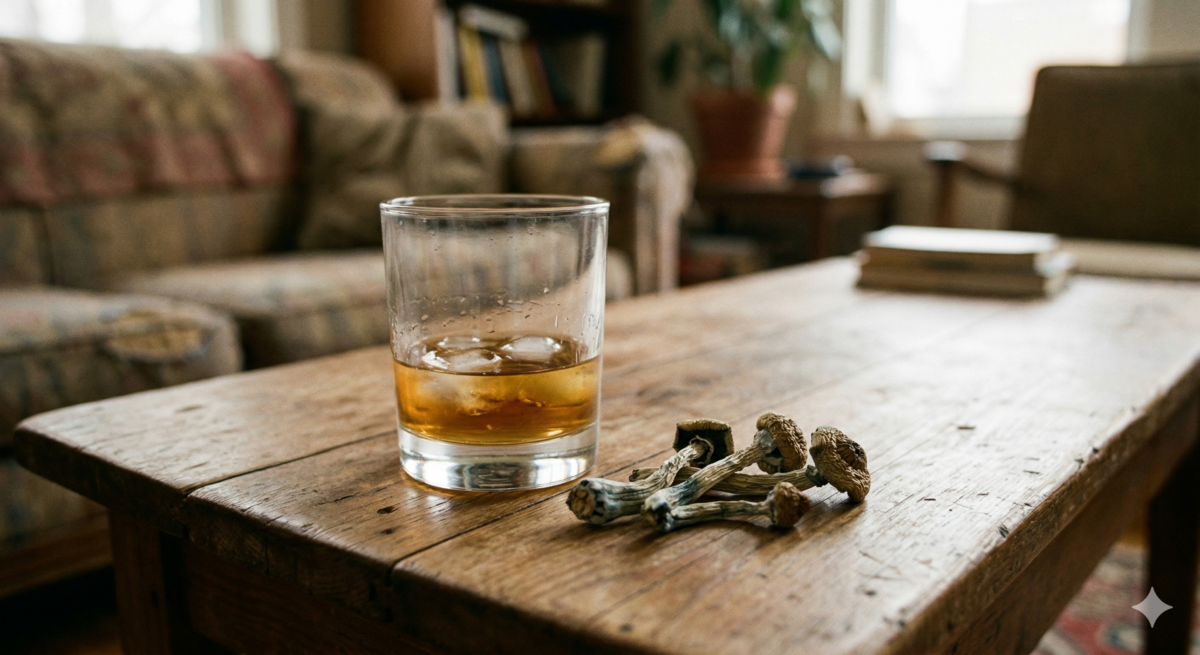
Our cultural relationship with intoxication is undergoing a massive transformation. For decades, alcohol was the undisputed default for socializing, celebrating, and winding down. But times are changing. Driven by wellness trends, economic shifts, and a deeper understanding of mental health, younger generations are rewriting the rules of substance use.
As we look for alternative ways to unwind, new risks emerge. Swapping a cocktail for natural medicine (like psilocybin magic mushrooms) might be trending, but combining the two is a recipe for physical and psychological distress. Here is a look at how our drinking habits are evolving, the rise of trendy sobriety labels, and the scientific reasons why you should never mix alcohol with magic mushrooms.
Substance use patterns change over time, and today, alcohol is losing its grip. According to recent data from Gallup, Gen Z and Millennials are drinking significantly less than previous generations did at the same age.
Younger adults are highly health-conscious and very aware of the physical and mental toll of alcohol. Furthermore, high costs and a desire for genuine, clear-headed social connection have led to a measurable drop in binge drinking. But this generation isn’t necessarily adopting strict, traditional abstinence. Instead, they’re recalibrating their intake and exploring new, intentional alternatives.
As alcohol consumption drops, a new lexicon of sobriety has emerged to describe this nuanced approach to substance use.
With the rise of the “Colorado sober” and “damp” lifestyles, some individuals might assume that taking a little bit of both substances is harmless. It is not. Even if you’re drinking less overall, mixing alcohol and magic mushrooms is pharmacologically counterproductive and physically risky.
Here’s why you need to keep them separated:
Alcohol is a central nervous system depressant. It works by increasing the effects of GABA, a neurotransmitter that slows down brain activity, leading to reduced inhibitions and dulled cognitive function. Psilocybin, on the other hand, is a serotonergic hallucinogen (specifically targeting the 5-HT2A receptors) that hyper-connects different regions of the brain, promoting deep introspection, emotional processing, and sensory enhancement. Mixing a heavy depressant with a powerful psychedelic creates a jarring neurological tug-of-war. Alcohol blunts the cognitive clarity and emotional breakthroughs of the mushrooms, often leaving the user in a muddy, confused, and highly unpredictable mental state.
Both alcohol and magic mushrooms can cause nausea and gastrointestinal discomfort on their own. Consuming them together aggressively compounds this effect, significantly increasing the likelihood of vomiting. Additionally, alcohol is a diuretic. The resulting dehydration can worsen the physical exhaustion often felt during a psychedelic trip, leading to severe headaches and a brutal hangover.
Alcohol lowers inhibitions and increases impulsivity, which is the exact opposite of the grounded, controlled mindset required for a safe psychedelic experience. This loss of emotional and physical control can easily pivot a mushroom trip into a state of panic, anxiety, or hazardous behavior.
The medical community is actively studying psilocybin, but notably, they are using it as a tool to cure alcohol abuse, not as something to be consumed alongside it. The clinical data strongly supports keeping these substances strictly separated:
It’s been encouraging to see younger generations taking a hard look at their habits, driving down alcohol consumption, and embracing mindful trends like Colorado sober. But as the stigma around natural medicine fades, we continue to approach these substances with respect and scientific literacy. Alcohol and magic mushrooms belong to completely different pharmacological worlds. If you choose to explore them, do your brain and body a favor: never invite them to the same party.
If you’re looking for personalized guidance and support before or after a psychedelic experience, the Unlimited Sciences Psychedelic Info Line offers free, 1:1 support for answering questions about psychedelic safety, integration, and emotional processing. You can also Chat with AURA 24/7.
No comment yet.
Join our email list and get immediate access to part one of our psilocybin guide. You’ll also get the latest in how we’re bridging the gap between science and soul: psychedelic research updates, real-world findings, community-driven education, personal stories and expert insights on natural medicine.
Advancing Real-World Psychedelic Research and Science-Backed Education
Unlimited Sciences is provided with a nonprofit status by fiscal sponsorship through Realm of Caring Foundation.
Federal EIN: 46-3371348.
© 2025 Unlimited Sciences. All Rights Reserved.
Designed by Gloss